歡迎來到培頓國(guó)際教育


雅思寫作范文-英語寫作范文- Argumentation–政府類
發(fā)布時(shí)間:2021-03-02 10:11:58瀏覽次數(shù):111文章來源:培頓教育
導(dǎo)讀:Many people arts and music do not improve the quality of life, the government should spend money on other things rather than the arts such as music and painting, to what extent do you agree or disagree?
Many people arts and music do not improve the quality of life, the government should spend money on other things rather than the arts such as music and painting, to what extent do you agree or disagree?
The issue of whether governments should spend money on the arts has sparked off an intense debate. Some people argue that art and music are conducive to the improvement of people’s lives; while others claim that it is of great urgency for governments to allocate money to the areas that are in need. To my way of thinking, the governments should give priority to some basic social systems, such as education and medical care programs instead of subsidizing the arts.
To begin with, art and music are not the key determinant of a good quality of life. It is not uncommon that the arts such as music and painting are a meaningless symbol to many because from their perspective, those arts cannot generate direct benefits for them. Therefore, subsidizing the arts cannot help the public get rid of the heavy burdens of their lives.
In addition, it is more urgent for governments to commit money to some fundamental social systems like education and public health. This is simply because a well-rounded social system is the guarantee of the enhancement of the quality of people’s lives. Investing in education is a good case in point. It is of paramount importance to equip the public with abundant knowledge and impart a proper outlook on life to them. Consequently, the citizens can become competent enough to maintain their daily lives by means of their own efforts. Obviously, it is money and knowledge that contribute to the improvement of people’s lives.
Admittedly, arts and music, to some extent, serve a valuable function in enriching people’s daily lives and help them to foster a positive attitude towards life. However, they are by no means a unique tool to achieve this goal. In fact, art and music are not an actual prescription to extricate people from an array of worries and burdens.
To conclude, I concede that the arts can play a favourable role in improving the quality of people’s lives. Nevertheless, I am convinced that governments should attach heavier weight to other sectors, such as education and medical care, which are considered as an essential way to enable people to live a decent life.

詞匯:
improve [?m'pru?v] vt. 改善,增進(jìn)
quality ['kw?l?t?] n. 質(zhì)量,特性;才能
government ['g?v(?)n,m(?)nt] n. 政府;政體;管轄
issue ['??u?] n. 問題;發(fā)行物vt. 發(fā)行,;放出,排出
spark off 引起,激發(fā);導(dǎo)致
intense [?n'tens] adj. 強(qiáng)烈的;緊張的
debate [d?'be?t] n. 辯論vt. 辯論,討論
conducive [k?n'dju?s?v] adj. 有益的;有助于…的
urgency ['??d?(?)ns?] n. 緊急;催促;緊急的事
allocate ['æl?ke?t] vt. 分配;使坐落于vi. 分配;指定
priority [pra?'?r?t?] n. 優(yōu)先;優(yōu)先權(quán)
medical care 醫(yī)療護(hù)理
subsidize [?s?bs?da?z] vt. 資助;給與獎(jiǎng)助金;向…行賄
to begin with 首先;本來
determinant [d?'t??m?n?nt] n. 決定因素adj. 決定性的
uncommon [?n'k?m?n] adj. 不尋常的;罕有的網(wǎng)絡(luò)釋義
perspective [p?'spekt?v] n. 觀點(diǎn);遠(yuǎn)景;透視圖adj. 透視的
generate ['d?en?re?t] vt. 使形成;發(fā)生
benefit ['ben?f?t] n. 利益,好處vt. 有益于,對(duì)…有益vi.
burden ['b??d(?)n] n. 負(fù)擔(dān);責(zé)任vt. 使負(fù)擔(dān);煩擾;裝貨于
commit [k?'m?t] vt. 犯罪,做錯(cuò)事;把...交托給;使…承擔(dān)義務(wù)
fundamental [f?nd?'ment(?)l] n. 基本原理;基本原則adj. 基本的,根本的
in addition 另外,此外
well-rounded ['wel'raundid] adj. 豐滿的;多才多藝的
guarantee [gær(?)n'ti?] n. 保證;擔(dān)保vt. 保證;擔(dān)保
enhance [?n'hɑ?ns] vt. 提高;加強(qiáng);增加
investing [investi?] v. 投資;授與(invest的現(xiàn)在分詞)
paramount ['pær?ma?nt] n. 最高統(tǒng)治者adj. 最重要的
equip with 裝備,配備;備有…,以…裝備
abundant [?'b?nd(?)nt] adj. 豐富的;充裕的;盛產(chǎn)
outlook ['a?tl?k] n. 展望;觀點(diǎn);景色
consequently ['k?ns?kw(?)ntl?] adv. 因此;結(jié)果;所以
competent ['k?mp?t(?)nt] adj. 勝任的;有能力的;能干的;足夠的
maintain [me?n'te?n] vt. 維持;繼續(xù);
contribute [k?n'tr?bju?t] vt. 貢獻(xiàn),出力vi.
admittedly [?d'm?t?dl?] adv. 公認(rèn)地;無可否認(rèn)地;明白地
enrichingn. 濃縮v. 使…富足;增進(jìn)…的價(jià)值
positive ['p?z?t?v] adj. 積極的
attitude ['æt?tju?d] n. 態(tài)度;看法;意見;姿勢(shì)
unique [ju?'ni?k] n. 獨(dú)一無二的人或物adj. 獨(dú)特的,稀罕的;
prescription [pr?'skr?p?(?)n] n. 藥方;指示;慣例
extricate ['ekstr?ke?t] vt. 使解脫;解救;使游離
to conclude 最后,總之
concede [k?n'si?d] vi. 讓步vt. 承認(rèn);退讓
nevertheless [nev?ð?'les] conj. 然而,不過adv. 然而,不過;雖然如此
convinced [k?n'v?nst] v. 使確信(convince的過去分詞);說服adj. 確信的;深信的
attach to vt. 依附,附屬;加入;
essential [?'sen?(?)l] n. 本質(zhì);要素adj. 基本的
The issue of whether governments should spend money on the arts has sparked off an intense debate. Some people argue that art and music are conducive to the improvement of people’s lives; while others claim that it is of great urgency for governments to allocate money to the areas that are in need. To my way of thinking, the governments should give priority to some basic social systems, such as education and medical care programs instead of subsidizing the arts.
To begin with, art and music are not the key determinant of a good quality of life. It is not uncommon that the arts such as music and painting are a meaningless symbol to many because from their perspective, those arts cannot generate direct benefits for them. Therefore, subsidizing the arts cannot help the public get rid of the heavy burdens of their lives.
In addition, it is more urgent for governments to commit money to some fundamental social systems like education and public health. This is simply because a well-rounded social system is the guarantee of the enhancement of the quality of people’s lives. Investing in education is a good case in point. It is of paramount importance to equip the public with abundant knowledge and impart a proper outlook on life to them. Consequently, the citizens can become competent enough to maintain their daily lives by means of their own efforts. Obviously, it is money and knowledge that contribute to the improvement of people’s lives.
Admittedly, arts and music, to some extent, serve a valuable function in enriching people’s daily lives and help them to foster a positive attitude towards life. However, they are by no means a unique tool to achieve this goal. In fact, art and music are not an actual prescription to extricate people from an array of worries and burdens.
To conclude, I concede that the arts can play a favourable role in improving the quality of people’s lives. Nevertheless, I am convinced that governments should attach heavier weight to other sectors, such as education and medical care, which are considered as an essential way to enable people to live a decent life.
詞匯:
improve [?m'pru?v] vt. 改善,增進(jìn)
quality ['kw?l?t?] n. 質(zhì)量,特性;才能
government ['g?v(?)n,m(?)nt] n. 政府;政體;管轄
issue ['??u?] n. 問題;發(fā)行物vt. 發(fā)行,;放出,排出
spark off 引起,激發(fā);導(dǎo)致
intense [?n'tens] adj. 強(qiáng)烈的;緊張的
debate [d?'be?t] n. 辯論vt. 辯論,討論
conducive [k?n'dju?s?v] adj. 有益的;有助于…的
urgency ['??d?(?)ns?] n. 緊急;催促;緊急的事
allocate ['æl?ke?t] vt. 分配;使坐落于vi. 分配;指定
priority [pra?'?r?t?] n. 優(yōu)先;優(yōu)先權(quán)
medical care 醫(yī)療護(hù)理
subsidize [?s?bs?da?z] vt. 資助;給與獎(jiǎng)助金;向…行賄
to begin with 首先;本來
determinant [d?'t??m?n?nt] n. 決定因素adj. 決定性的
uncommon [?n'k?m?n] adj. 不尋常的;罕有的網(wǎng)絡(luò)釋義
perspective [p?'spekt?v] n. 觀點(diǎn);遠(yuǎn)景;透視圖adj. 透視的
generate ['d?en?re?t] vt. 使形成;發(fā)生
benefit ['ben?f?t] n. 利益,好處vt. 有益于,對(duì)…有益vi.
burden ['b??d(?)n] n. 負(fù)擔(dān);責(zé)任vt. 使負(fù)擔(dān);煩擾;裝貨于
commit [k?'m?t] vt. 犯罪,做錯(cuò)事;把...交托給;使…承擔(dān)義務(wù)
fundamental [f?nd?'ment(?)l] n. 基本原理;基本原則adj. 基本的,根本的
in addition 另外,此外
well-rounded ['wel'raundid] adj. 豐滿的;多才多藝的
guarantee [gær(?)n'ti?] n. 保證;擔(dān)保vt. 保證;擔(dān)保
enhance [?n'hɑ?ns] vt. 提高;加強(qiáng);增加
investing [investi?] v. 投資;授與(invest的現(xiàn)在分詞)
paramount ['pær?ma?nt] n. 最高統(tǒng)治者adj. 最重要的
equip with 裝備,配備;備有…,以…裝備
abundant [?'b?nd(?)nt] adj. 豐富的;充裕的;盛產(chǎn)
outlook ['a?tl?k] n. 展望;觀點(diǎn);景色
consequently ['k?ns?kw(?)ntl?] adv. 因此;結(jié)果;所以
competent ['k?mp?t(?)nt] adj. 勝任的;有能力的;能干的;足夠的
maintain [me?n'te?n] vt. 維持;繼續(xù);
contribute [k?n'tr?bju?t] vt. 貢獻(xiàn),出力vi.
admittedly [?d'm?t?dl?] adv. 公認(rèn)地;無可否認(rèn)地;明白地
enrichingn. 濃縮v. 使…富足;增進(jìn)…的價(jià)值
positive ['p?z?t?v] adj. 積極的
attitude ['æt?tju?d] n. 態(tài)度;看法;意見;姿勢(shì)
unique [ju?'ni?k] n. 獨(dú)一無二的人或物adj. 獨(dú)特的,稀罕的;
prescription [pr?'skr?p?(?)n] n. 藥方;指示;慣例
extricate ['ekstr?ke?t] vt. 使解脫;解救;使游離
to conclude 最后,總之
concede [k?n'si?d] vi. 讓步vt. 承認(rèn);退讓
nevertheless [nev?ð?'les] conj. 然而,不過adv. 然而,不過;雖然如此
convinced [k?n'v?nst] v. 使確信(convince的過去分詞);說服adj. 確信的;深信的
attach to vt. 依附,附屬;加入;
essential [?'sen?(?)l] n. 本質(zhì);要素adj. 基本的
猜你喜歡
-
 雅思寫作滿分作文真題范文解析2020-06-21本題的關(guān)鍵詞是“名人”和“國(guó)際救助組織”,問題是:如果名人對(duì)國(guó)際救助組織表示支持,這能讓人們關(guān)注到需要救助的問題,還是轉(zhuǎn)移人們的注意力?雅思作文考題中提出的觀點(diǎn)多半都不【 查看詳情 】
 -
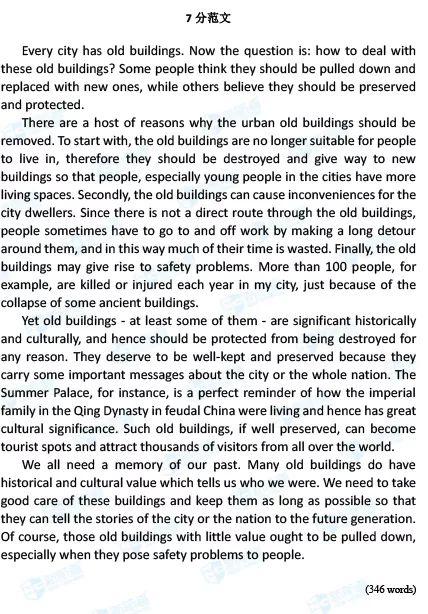 雅思大作文范文,滿分案例以及作文解析2020-06-212017年12月02日雅思大作文題目:“ People think that old buildings should be knocked down and give way to the new bu【 查看詳情 】
 -
 雅思大作文范文及內(nèi)容解析2020-06-212018年01月06日雅思大作文題目In many countries, more and more people can buy a wide range of household goods like t【 查看詳情 】
 -
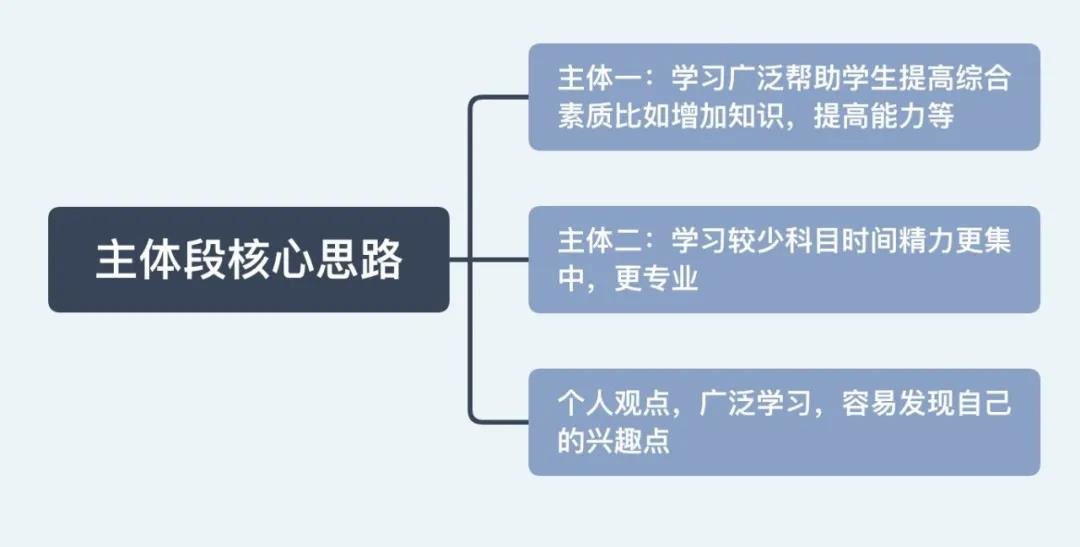 雅思大作文7分范文及解析2020-07-11雅思大作文7分范文及解析:廣泛學(xué)習(xí)和深入學(xué)習(xí),該題目為雙邊類大作文,教育類話題,下面就跟隨環(huán)球教育小編一起來詳細(xì)的了解一下吧,【 查看詳情 】
 -
 7月,對(duì)留學(xué)生們來說是一個(gè)轉(zhuǎn)折點(diǎn),在6月底的時(shí)候,雅思官方發(fā)布了7月雅思考試復(fù)考的消息及安排。這個(gè)好消息,相信各位雅思考生們都已【 查看詳情 】
相關(guān)課程



熱門閱讀
隨機(jī)閱讀